Southern Restaurant Classics Passed Down Through Generations
There is a certain kind of dish that does more than feed people. It settles a room. It gives shape to a Sunday afternoon, anchors a holiday table, and tells you where you are without anyone needing to say it out loud. In the South, those dishes often live longest not in handwritten cookbooks or culinary school notes, but in memory. A grandmother reaches for a pinch instead of a spoon. A line cook learns by watching the color of the roux, not by timing it. A pitmaster touches a shoulder of pork and knows whether it needs another hour.
That is how Southern restaurant classics endure. They are taught in motion, repeated until they become instinct, and protected because people understand what is lost when a dish is stripped down to convenience. Many of the most beloved plates in any Southern restaurant began at home, then moved into church halls, roadside diners, lunch counters, barbecue shacks, oyster houses, and white-tablecloth dining rooms. Along the way, they changed just enough to survive service, but not so much that they stopped meaning something.
The best of these classics are not important because they are old. They matter because they still work. They satisfy, they carry memory, and when they are made well, they reveal a level of discipline that outsiders sometimes miss. Southern food is often discussed as comfort food, and some of it certainly is. But comfort can obscure the craft. Really good fried chicken requires judgment. Proper grits demand patience. Biscuits expose careless hands immediately. A pot of collard greens can taste flat, muddy, bright, smoky, or balanced depending on a dozen small decisions.
Where the tradition actually lives
People often talk about Southern food as though it came from a single source. It did not. The region’s restaurant traditions are the product of Indigenous foodways, West and Central African culinary knowledge, European techniques, migration patterns, poverty, abundance, agriculture, and local climate. Rice traditions on the Carolina coast tell a different story from the biscuit culture of Appalachia. Gulf seafood cooking does not mirror the smoke and pork traditions of the inland South. Even the meaning of “tea” changes depending on where you are and who poured it.
Restaurants became crucial keepers of that complexity because they gave regional dishes a public life. Home cooking preserves family identity, but restaurants turn local habits into community standards. A town may argue about whose chess pie is best or whether tomato gravy should be poured over biscuits or rice, yet those arguments are part of how traditions stay alive. The dish remains visible. It gets tasted, critiqued, adjusted, defended.
In older Southern restaurants, especially family-run ones, recipes rarely exist in a neat operational binder at first. They are carried in bodies. The owner knows how long the greens simmer before they lose their bite. The aunt in the kitchen knows which peaches make a pie that slices cleanly and which ones slump. The cousin working the smoker understands that weather changes cook time. These details are hard to standardize and impossible to fake for long.
That is one reason some classics taste disappointingly generic when chains try to copy them. They can reproduce ingredients, but not always the judgment. Southern cooking has always relied on adaptation. You use what the season gives you, what the market carries, what the catch looks like, what the field grew, what the weather did. That flexibility is not a flaw in the tradition. It is one of the tradition’s strengths.
Fried chicken, the test nobody passes by accident
If one dish defines the stakes in a Southern restaurant kitchen, it is fried chicken. The gap between decent and unforgettable is wide, and every stage matters. The seasoning has to penetrate. The coating has to cling. The fat must run hot enough to crisp the crust but not so hot that the exterior darkens before the interior cooks through. The rest time matters too. Chicken eaten the second it leaves the fryer often sheds steam into the crust. Give it a moment, and it settles into itself.
Families pass down fried chicken methods with near-religious seriousness, though the methods vary more than outsiders expect. Some swear by buttermilk, others by a brief soak in seasoned brine. Some dredge once, others twice. Flour may be plain or cut with cornstarch. Pepper might dominate, or paprika, or cayenne, or almost nothing beyond salt because the point is the chicken itself. In many old kitchens, the goal was never a thick armor of crust. It was a light, craggy shell that shattered cleanly and left room for the meat’s own flavor.
Restaurants had to adapt family methods for volume. Home cooks can fry a bird in small batches and serve immediately. Restaurants must hold quality over a rush, which is much harder. The best houses solve this by respecting the pace of the dish rather than pretending it can be rushed endlessly. Some fry to order and make customers wait. Some partially cook and finish carefully. Some limit quantities. Those decisions may frustrate diners who expect speed, but they often protect the food.
When fried chicken is done right, it captures a central truth about Southern classics. Simple ingredients do not mean simple execution. Flour, chicken, fat, salt, and spice can produce something extraordinary, but only if the cook understands heat, moisture, texture, and timing at a level that rarely fits in a tidy recipe card.
Biscuits and the discipline of restraint
Few foods expose overhandling faster than biscuits. They are a small miracle of moderation. Add too much liquid and they spread. Work the dough too much and they toughen. Twist the cutter and they rise unevenly. Bake them a minute too long and their tenderness dries out. That is why old biscuit makers often seem almost casual while doing something quite exact. They know when to stop.
In many Southern families, biscuits are learned early because they are practical. They use basic pantry ingredients and teach feel better than almost any baking project. You learn the difference between shaggy and wet, between cold fat that will create layers and softened fat that will disappear into heaviness. Restaurant biscuit programs borrow from those home lessons, though scaling up introduces challenges. Flour behaves differently in humidity. Staff turnover means not everyone has the same touch. Holding baked biscuits for service can flatten their charm in a hurry.
The places that do biscuits best usually build systems around protecting texture. They mix gently. They keep ingredients cold. They train cooks to read dough with their hands. They serve fast. Even then, no two batches are exactly alike, and that is part of the appeal. A biscuit should not feel engineered into bland perfection. It should feel made by someone, that morning, for actual people.
Biscuits also reveal how deeply Southern restaurant classics are tied to economics. For generations, they were a way to make flour, fat, and dairy stretch. Served with gravy, jam, country ham, sorghum, or simply butter, they could carry a breakfast table without requiring extravagance. That thrift remains embedded in the dish even when restaurants now pair biscuits with pimento cheese, fried oysters, or specialty preserves.
Grits, rice, and the grains that built regions
To talk about Southern food without talking about grains is to miss the foundation. Corn and rice have shaped the South’s daily cooking for centuries, though in distinct ways. Grits can be humble or elegant, breakfast fare or supper side, loose and spoonable or firm enough to hold under shrimp. Their quality depends first on the grind and freshness of the corn, then on patience. Quick versions fill a need, but long-cooked grits develop depth, sweetness, and body that shortcuts cannot quite replicate.
This is one area where generational knowledge has protected standards that modern convenience nearly erased. For a period, many restaurants leaned heavily on instant products because they were faster and more predictable. Some still do. Yet the renewed interest in stone-ground grains has reminded cooks what was lost. Proper grits have character. They taste of corn. They can carry butter, cheese, and cream, but they should not require those additions to have flavor.
Rice tells another story, especially in the coastal South. In the Carolinas and Georgia, rice cookery carries deep historical roots shaped by African expertise and lowcountry agriculture. Rice appears under gravies, beside seafood, in pilafs, in red rice, in perloo, in Hoppin’ John. A skilled cook understands that rice is not just filler. Its texture changes the entire dish. Separate grains absorb gravy differently than soft, steamy rice. A tomato-based rice side can brighten a rich meal. Field peas and rice together form one of the most complete, satisfying combinations in the regional canon.
Restaurants that inherit these grain traditions often reveal their seriousness in the smallest details. Does the shrimp and grits taste like seasoned shrimp placed on bland porridge, or like one coherent dish? Does the red rice show restraint with tomato, or does it slide into sweetness? Are field peas cooked until tender but still distinct? These are not flashy questions, but they separate food that performs Southern identity from food that actually belongs to it.
Greens, beans, and the pot liquor that carries the story
If there is a dish category that most clearly demonstrates Southern cooking’s wisdom about extraction, it is the long-simmered pot of greens or beans. These preparations were built around making every scrap count. A smoked hock, turkey neck, bacon end, or ham bone seasons a whole pot. Onion contributes sweetness. Pepper lends warmth. Vinegar at the table sharpens the final bite. What remains in the bottom of the pot, the pot liquor, can be as valued as the greens themselves.
In restaurants, greens are often where shortcuts show. Underseasoned greens taste watery. Overcooked greens lose structure and drift into monotony. Overseasoned greens, especially salty ones, become tiring after a few bites. The best cooks aim for depth without murkiness. They understand that bitterness is not the enemy. It simply needs balance.
The same is true for black-eyed peas, butter beans, limas, crowder peas, and other legumes that have anchored Southern tables for generations. These dishes reward time, not fuss. They need enough cooking to soften and mingle flavors, but not so much that each spoonful turns to paste. Many family restaurants still serve beans that taste as though they were started early in the morning and watched all day, which is usually exactly what happened.
There is also a social dimension to these dishes that matters. Greens and beans are communal food. They are cooked in quantity, shared broadly, and rarely plated with preciousness. Their value lies in generosity. A Southern restaurant that serves excellent greens communicates something beyond technical skill. It tells guests they understand stewardship, memory, and the pleasure of food that nourishes without showing off.
Barbecue, inheritance, and regional argument
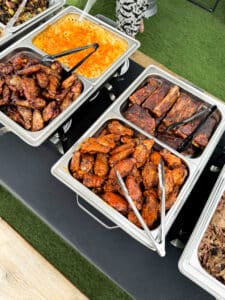
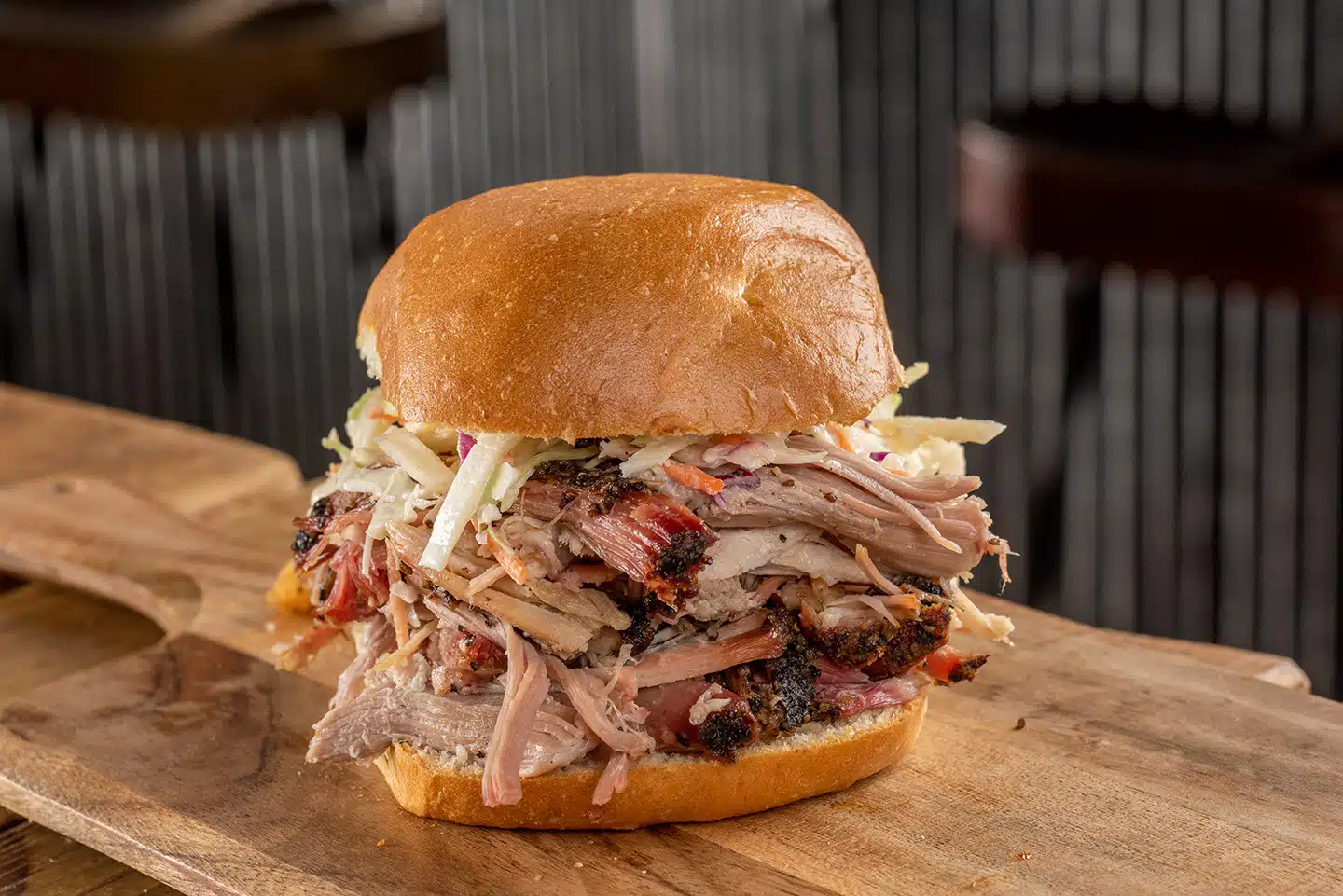
No conversation about classics passed down through generations can avoid barbecue, though the word means different things depending on geography. In much of the South, barbecue is not a generic outdoor cooking term. It refers specifically to meat, traditionally pork, transformed slowly by smoke and fire. The details, however, spark endless regional debate. Whole hog or shoulder. Chopped or pulled. Vinegar sauce, mustard sauce, tomato-tinged sauce, or almost no sauce at all. Hickory, oak, pecan, or a local wood with its own following.
These debates are not trivial. They reflect lineage. A pit style usually comes from local history, available wood, dominant livestock practices, and what one generation taught the next. Many old barbecue restaurants were built on that direct transfer of knowledge. Children grew up around the pits, learned how the fire breathes overnight, how meat feels when it is ready, and how smoke behaves when humidity shifts. None of that is glamorous at 3:00 in the morning, but it is why certain places become landmarks.
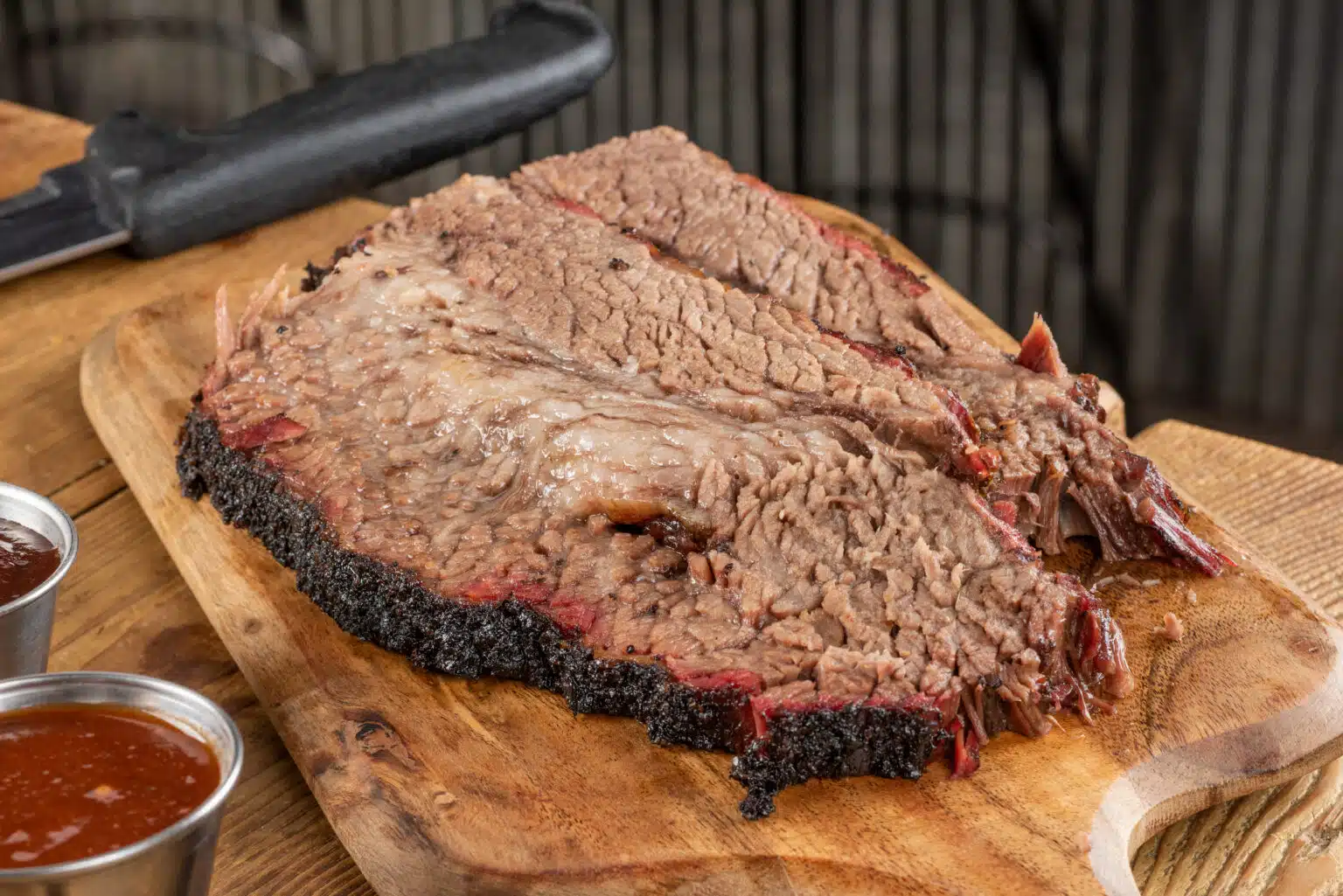
Modern equipment has changed the labor in some kitchens, and not always for the worse. Temperature-controlled smokers can improve consistency. Health codes and staffing realities matter. Still, there is a reason purists worry when barbecue is reduced to seasoning plus sauce. True barbecue is texture as much as flavor. It is bark, rendered fat, smoke penetration, and the exact point where collagen gives way. Sauce should complement those qualities, not conceal their absence.
Good barbecue restaurants also understand the importance of what arrives alongside the meat. Slaw cuts richness. Stew stretches scraps into another beloved dish. White bread, hush puppies, baked beans, collards, or Brunswick stew create the context that turns a plate of smoked pork into a regional meal. These sides are not afterthoughts. They are part of the inheritance.
Seafood classics and the coast’s quieter authority
Coastal Southern cooking has often been overshadowed in popular imagination by fried foods and barbecue, yet it holds some of the region’s most refined traditions. She-crab soup, shrimp and grits, oyster roasts, crab cakes with a light hand, lowcountry boils, trout almondine in old Gulf dining rooms, and shrimp Creole in Louisiana-adjacent kitchens all show how the South handles seafood with both restraint and boldness.
The crucial word here is freshness. Many family seafood restaurants succeed because they do less. They let local shrimp taste like shrimp. They avoid burying oysters under breading. They know when a fish only needs salt, hot oil, and lemon. In these places, the inherited wisdom lies not in complication but in selection and timing. A cook who grew up around the water develops standards that no menu language can imitate. They know when shellfish are sweet, when they are merely acceptable, and when not to serve them at all.
That kind of judgment is expensive in the short term because it means saying no to mediocre product. But over decades it builds trust, and trust is the real capital of a long-running Southern restaurant. Diners return because the kitchen respects ingredients enough not to overpromise.
Desserts that close the circle
Southern dessert traditions survive because they meet at the intersection of celebration and thrift. Cobblers turn seasonal fruit into a crowd dessert. Banana pudding transforms inexpensive staples into something beloved. Chess pie, buttermilk pie, and sweet potato pie rely on pantry logic. Bread pudding gives stale bread a second life. Layer cakes, by contrast, often belong to events, birthdays, reunions, church suppers, and milestones, though restaurants smart enough to keep a good coconut cake on the menu rarely regret it.
These sweets matter because they preserve the emotional rhythm of Southern meals. A guest may forget exactly what vegetable came with lunch, but they remember the lemon icebox pie that tasted like summer or the pecan pie that arrived warm enough to perfume the table. Restaurants that inherit family dessert recipes gain more than a final course. They gain continuity.
What separates memorable Southern desserts from cloying ones is usually balance. A banana pudding should taste of banana and vanilla, not just sugar. A peach cobbler should preserve the fruit’s tart edge. A pecan pie needs enough bitterness from the nuts and enough salt in the filling to keep sweetness from becoming blunt. Older cooks tend to understand this instinctively because many learned in eras when ingredients were too valuable to waste on excess. They cooked for appetite, not spectacle.
Why some classics disappear, and others hold on
Not every inherited dish survives restaurant life. Some are too labor-intensive. Some depend on ingredients that became harder to source. Some never fit changing diner expectations. Liver pudding, certain aspics, old-fashioned vegetable plates assembled from truly seasonal cooking, and specific regional casseroles have all faded in public prominence in some areas. That does not mean they were inferior. It often means the economics changed.
Labor is the unromantic force Southern restaurant behind much of what remains or vanishes. Hand-rolled biscuits, scratch gravies, slow-cooked greens, and pit barbecue require people who know what they are doing and time to do it. Those are expensive commodities. A restaurant may love tradition and still struggle to keep such dishes on the menu if margins tighten, rents rise, or younger workers are not taught the old methods.
Yet some classics endure precisely because they can adapt without losing their soul. Fried chicken can move from cast iron skillet to commercial fryer and remain recognizably itself if the seasoning and technique stay true. Shrimp and grits can appear in a diner or a fine dining room. Biscuits can accompany sausage gravy or smoked trout spread. A classic survives not by freezing in time, but by keeping its core logic intact.
That adaptability is why the Southern restaurant tradition remains so alive. It is not a museum piece. It is a working cuisine, still argued over, still evolving, still shaped by local hands.
The responsibility of serving memory
When a restaurant claims to serve classics passed down through generations, it takes on a responsibility larger than branding. Nostalgia can sell a plate once. It cannot sustain respect. Diners who grew up with these foods know when a recipe has been flattened, sweetened without reason, oversalted to mimic depth, or dressed up past recognition. At the same time, younger cooks and owners should not be trapped by rigid ideas of authenticity that leave no room for growth. The task is stewardship, not reenactment.
The best Southern restaurant kitchens understand that stewardship starts with listening. It means asking older cooks why they did something a certain way. It means learning local preferences before rewriting the menu. It means recognizing that a dish may carry community meaning even if it does not seem fashionable. Southern restaurant Walter's BBQ Southern Kitchen It also means being honest about when adaptation is necessary, whether because of sourcing, health regulations, or the practical realities of running a business.
When that balance is struck, the results can be remarkable. A plate of meatloaf with tomato gravy, a bowl of gumbo, a biscuit split open with butter, a scoop of field peas beside sliced tomatoes, a square of cornbread next to greens, a serving of banana pudding after supper, these dishes are not simply old favorites. They are edible records. They tell the story of who cooked before, who paid attention, and who cared enough to keep going.
That is the enduring strength of Southern restaurant classics. They are not passed down because they are quaint. They are passed down because each generation finds, often through hard work and repetition, that these dishes still satisfy on every level that matters. They feed hunger, of course. They also feed recognition. One bite can remind a person of a grandmother’s kitchen, a roadside stop after church, a crowded family table, a first restaurant job, or a town they thought they had left behind for good.
Food with that kind of reach does not survive by accident. It survives because somebody showed up early, stirred the pot, tended the fire, rolled the dough, tasted the seasoning, and insisted that the old ways still had something to teach.
Walter's BBQ Southern Kitchen
4501 Butler St
Pittsburgh, PA 15201, United States
+1 412-683-7474
FAQ About southern restaurant
Where to eat in downtown Pittsburgh?
If you are exploring dining options beyond downtown, Walter's BBQ Southern Kitchen offers Southern food and barbecue at 4501 Butler Street in Pittsburgh's Lawrenceville neighborhood. It is outside downtown, so allow travel time when planning your visit.
What is a must eat in Pittsburgh?
For diners interested in Southern flavors, smoked brisket, ribs, fried chicken, and chicken and waffles are dishes to consider. Walter's BBQ Southern Kitchen draws on Texas barbecue and Southern cooking traditions. Check the current menu for the dishes available during your visit.
What are some of Pittsburgh's unique restaurants?
Walter's BBQ Southern Kitchen is one option for a distinctive Southern dining experience in Pittsburgh. Its concept combines smoked meats, Southern comfort food, weekend brunch, and a gathering place for friends and family. The restaurant is located on Butler Street in Lawrenceville.