What Makes a Southern Restaurant in Pittsburgh, PA Stand Out
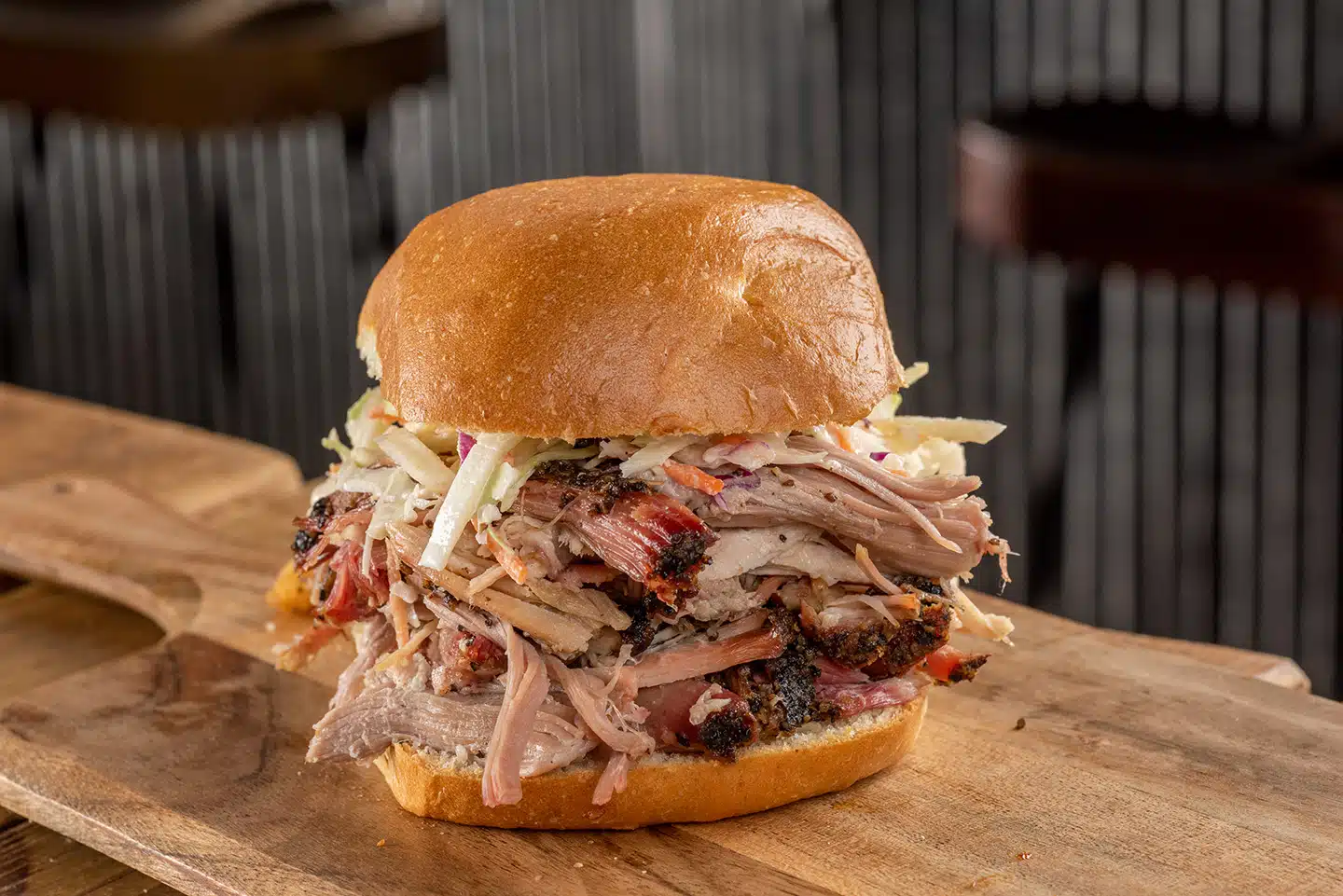
Pittsburgh has never been a one-note food city. Its dining culture was built on immigrant traditions, working-class appetites, church suppers, neighborhood bakeries, and a willingness to adopt flavors from somewhere else and make them local. That is exactly why a Southern restaurant in Pittsburgh, PA has such an interesting challenge. It is not enough to borrow a few comfort-food staples, hang rustic signs on the wall, and call it done. Pittsburgh diners tend to reward places that feel honest, generous, and well run. They can spot a concept that is all surface and no substance.
When a Southern restaurant truly stands out here, it does so by balancing respect for Southern cooking with a sharp understanding of the city around it. The best ones know that fried chicken, shrimp and grits, biscuits, collard greens, and mac and cheese are not novelties. They are dishes with history, technique, and emotional weight. Get them right and people remember the meal. Get them wrong and the room goes quiet in the worst possible way.
What separates the memorable Southern spots from the forgettable ones comes down to more than recipes. It is about discipline in the kitchen, hospitality in the dining room, and enough judgment to know when to preserve tradition and when to adapt to local tastes.
Southern food has to taste like someone cares
People often talk about Southern food as if it is automatically comforting, but comfort is the end result, not the method. The method is labor. Good Southern cooking asks for patience, repetition, and attention to detail that many restaurants underestimate.
A biscuit seems simple until you try to make hundreds of them consistently. One batch is too dry, another too dense, another baked a minute too long. Fried chicken looks straightforward until you realize the crust has to stay crisp while the meat stays juicy, and every fryer drop changes the oil temperature. Gumbo demands restraint and nerve. A roux cannot be rushed. Greens need seasoning all the way through, not just on top. Banana pudding, peach cobbler, and bread pudding sound homey, but homey done badly is just sloppy.
That is why the best Southern restaurants tend to have a certain seriousness under the warmth. The food may read as familiar, but the execution is not casual. A standout kitchen tastes every pan, pays attention to holding times, and knows where shortcuts will show. If the gravy comes from a packet, if the cornbread tastes sweet when the rest of the plate clearly needs savory balance, if the hot honey is there to distract from bland chicken, diners notice.
In Pittsburgh, where regulars build strong loyalties to neighborhood restaurants, this matters even more. One excellent meal may earn curiosity. Consistency earns a following. The Southern places that last are usually the ones where guests know what they are getting from visit to visit, not in a boring way, but in a trustworthy one.
The best version of Southern hospitality is specific, not performative
Southern hospitality gets used as a slogan so often that it can lose meaning. At its best, it is not fake friendliness or exaggerated charm. It is anticipation. It is the server who notices a guest is sharing dishes and paces the meal accordingly. It is the host who remembers that one regular prefers a quieter corner table. It is the bartender who can guide someone through bourbon without talking down to them.
That style of service fits Pittsburgh remarkably well. This is a city that values directness. Diners generally appreciate warmth, but not theater. A standout Southern restaurant understands that. The room should feel welcoming, not rehearsed. Staff should know the menu deeply enough to explain what makes red beans and rice taste the way it does, or why a certain hot sauce belongs with catfish but not necessarily with the shrimp and grits. Hospitality becomes memorable when it carries useful knowledge.
I have seen restaurants miss this by leaning too hard on nostalgia and branding. Mason jars, distressed wood, and old-timey signage can create atmosphere, but atmosphere does not make a guest feel cared for. A clean table, hot food that arrives together, a refill before the glass is empty, and staff who can recover gracefully when something goes wrong, those are the things people remember after the decor fades into the background.
Pittsburgh diners want comfort, but they also want standards
There is a tendency to assume that because Southern food is hearty, diners will forgive excess or imprecision. In practice, the opposite is often true. Rich food leaves nowhere to hide. If the seasoning is flat, the fat feels heavy instead of luxurious. If the plate is overloaded without balance, a guest may be impressed for five minutes and exhausted before dessert.
A Southern restaurant in Pittsburgh, PA stands out when it understands proportion. That applies to menu design, portion size, and the meal as a whole. A plate of chicken and waffles needs a point of contrast, maybe acid in the syrup, heat in the seasoning, or brightness on the side. Brisket with creamy grits and collards can be wonderful, but only if each component has a distinct identity. Otherwise the meal turns muddy.
This is where local dining habits matter. Pittsburgh is a city that still values generosity, but value does not mean indiscriminate quantity. Guests want to leave satisfied, not flattened. Smart operators know how to build abundance into the experience without turning every plate into a challenge. They also know that lighter options deserve real care. A salad with blackened chicken should not feel like an obligation item buried between more photogenic dishes. It should be composed with the same attention as the fried catfish.
The menu should know its roots
Southern food is broad, not monolithic. The Lowcountry, Appalachia, Louisiana, Texas, and Tennessee all bring different traditions, ingredients, and techniques. A restaurant does not need to represent every region. In fact, trying to do that usually weakens the menu. What it needs is a point of view.
The strongest restaurants communicate that point of view through what they choose to cook and what they choose to leave out. If a chef has deep ties to New Orleans flavors, that should shape the menu honestly. If the inspiration is more Carolinas than Creole, the food should say so. Diners do not need a history lecture with every plate, but they can tell when a menu has internal logic.
A menu with no center often reveals itself quickly. You will see Nashville hot chicken next to Cajun pasta, Texas brisket, sweet tea brined pork chops, and a random burger section, all chasing trends rather than building an identity. That approach can draw initial attention, but it rarely creates a memorable restaurant. The better move is tighter curation. A smaller menu made with conviction usually outperforms a sprawling one that tries to please everyone.
A clear menu also helps staff speak with confidence. When servers understand why a dish belongs, how it is made, and what guests tend to pair with it, the dining room feels more grounded. Confidence like that is contagious.
Ingredients matter more in Southern cooking than people admit
There is a myth that Southern cuisine is mostly about seasoning and indulgence, as if great ingredients are optional. They are not. Because many dishes are straightforward on the plate, the quality of raw materials is easy to detect. A mediocre piece of chicken cannot hide behind breading forever. A watery tomato in a pimento cheese sandwich drags the whole thing down. Undersmoked sausage dulls a gumbo. Old fryer oil leaves a stale note that even a casual diner can taste.
In Pittsburgh, seasonality can become an advantage for Southern restaurants that think creatively. Local greens, corn, beans, stone fruit when available, mushrooms, apples, and pork can all support a menu that feels both rooted in Southern technique and connected to western Pennsylvania. That is the sweet spot. It is one thing to imitate Southern food from a distance. It is another to cook in a way that respects Southern traditions while acknowledging where you are.
This is not a call to reinvent everything with local sourcing as a marketing device. Some ingredients should come from farther afield if that is what the dish requires. Rice selection matters. Certain peppers matter. Seafood sourcing matters. The point is judgment. A restaurant stands out when its ingredient choices make culinary sense, not just promotional sense.
Great biscuits tell you almost everything
If there is one item that can reveal the character of a Southern kitchen within minutes, it is the biscuit. A good biscuit arrives warm, not lukewarm. It has lift without becoming cakey. The exterior gives slight resistance while the inside breaks into tender layers. Butter, jam, honey, gravy, or pimento cheese may accompany it, but the biscuit itself must be worth eating plain.
That single item says a lot about standards. If the biscuit is thoughtful, chances are the kitchen respects the fundamentals. If it is dry, uniform, and forgettable, there is a good chance the rest of the menu suffers from the same indifference. In my experience, guests may not always articulate this, but they feel it. They know when bread service was made by people who care.
The same principle applies to side dishes, which too many restaurants treat as support acts. In Southern cooking, sides are often where the soul of the meal lives. Mac and cheese should have structure, not just melted orange blur. Greens should be cooked with backbone. Black-eyed peas need personality. Candied yams need balance, not sugar for sugar’s sake. When side dishes are excellent, the restaurant signals seriousness.
The room should feel lived in, not staged
Design matters, especially in competitive markets. Still, a standout Southern restaurant does not need to look like a movie set. It needs to feel coherent. Pittsburgh diners tend to respond to rooms that have energy and comfort without trying too hard.
That might mean exposed brick in one neighborhood, polished wood and low lighting in another, or a brighter brunch-friendly space near offices and residential blocks. The details can vary. What https://spencerlwyr438.brightsora.com/posts/southern-restaurant-pittsburgh-pa-top-menu-items-for-new-guests matters is whether the room supports the food and the pace of service. If the music is so loud that guests cannot talk over fried green tomatoes and cocktails, the concept is working against itself. If the seating is cramped and unstable, family-style dishes become a logistical nuisance. If the dining room is charming but the takeout operation is chaos, the brand starts to fracture.
A lot of successful Southern restaurants also understand the emotional role of sound and smell. The smell of frying chicken, baking cornbread, or simmering smoked meats can do more for appetite than expensive visual gimmicks. The soundtrack matters too. It should give shape to the room without flattening it into cliché.
Drinks can elevate the entire identity
Beverage programs are often where a Southern restaurant can distinguish itself without overcomplicating the menu. Sweet tea is the obvious touchstone, but it should not stop there. Thoughtful bourbon selections, cocktails with seasonal fruit, low-proof options for brunch, and even a well-considered beer list can sharpen the restaurant’s identity.
The key is restraint. Not every drink needs bacon garnish, smoked glass, or a dessert-level sugar load. The best pairings usually mirror the same values as the food: clarity, balance, and generosity. A crisp lager with spicy fried chicken works because it resets the palate. A whiskey drink with citrus and bitters can cut through richer dishes. A nonalcoholic tea or lemonade variation, made with care, signals that every guest matters, not just the ones ordering from the cocktail menu.
A few beverage qualities tend to separate strong programs from weak ones:
- Drinks arrive cold when they should be cold, and properly diluted when they should be stirred or shaken.
- The bourbon list reflects actual thought, not just expensive labels.
- Nonalcoholic options feel intentional rather than token.
- Brunch beverages match the food instead of competing with it.
- Staff can make pairing suggestions without sounding scripted.
That kind of program does not need to be massive. It needs to be edited well.
Brunch is often where reputation is won or lost
Many Southern restaurants in Pittsburgh lean into brunch, and for good reason. The city loves a weekend meal that feels social, indulgent, and worth leaving the house for. But brunch is also where operational weaknesses become painfully obvious.
Egg cookery exposes timing problems. Biscuits and gravy expose holding issues. Chicken and waffles expose coordination between fry station and griddle. Coffee service exposes whether front-of-house systems are sharp or sloppy. Long waits can be forgiven if the experience feels smooth once seated. They are harder to forgive if food arrives unevenly, tables sit uncleared, or the menu reads more exciting than it tastes.
The standout brunch places usually do three things well. They limit the menu enough to execute it, they move tables without rushing people, and they give guests at least one dish they cannot stop thinking about. That dish does not have to be flashy. Sometimes it is a shrimp and grits with real depth, a French toast that avoids sogginess, or a biscuit sandwich built with excellent sausage and eggs cooked exactly right.
Brunch also offers a chance to show range. A restaurant that can serve indulgent plates and also produce a clean, satisfying lighter breakfast demonstrates control. That kind of versatility builds repeat business.
Authenticity is not purity, it is honesty
The word authenticity can turn into a trap. Used lazily, it can suggest that Southern food must be frozen in place to be valid. That is not how cuisine works. Southern cooking has always evolved through movement, scarcity, adaptation, exchange, and creativity. A restaurant in Pittsburgh does not need to mimic another region perfectly to be credible.
What it does need is honesty about what it is doing. If the menu is tradition-forward, it should execute those classics with respect. If it takes a more modern path, the reinterpretations should still make sense on the plate. Putting kimchi on biscuits or gochujang in barbecue sauce is not automatically clever or offensive. It depends on whether the result tastes integrated and intentional, or merely attention-seeking.
This is where chef judgment matters more than branding language. Diners can forgive a surprising twist if the dish is delicious and coherent. They rarely forgive trend-chasing for its own sake. A standout Southern restaurant earns trust by making choices that feel grounded rather than opportunistic.
Community ties matter in Pittsburgh
Restaurants that become part of Pittsburgh’s dining fabric usually do more than serve food. They attach themselves to neighborhood life. That might mean supporting local events, collaborating with nearby businesses, hiring consistently from the area, or simply becoming the reliable place where birthdays, after-work dinners, Sunday meals, and casual celebrations happen.
Southern food is especially suited to this role because it often centers around sharing. Large-format dishes, family-style sides, holiday specials, and weekend gatherings create rituals. When a restaurant becomes associated with those rituals, it stops being a novelty and starts becoming a local institution.
That status is earned slowly. It comes from showing up on ordinary days, not just busy ones. It comes from handling takeout carefully on rainy Tuesdays, keeping standards high during slow months, and treating regulars and first-timers with equal respect. Pittsburgh notices that kind of steadiness.
What guests remember after the meal
Most diners do not go home and write a formal critique, but they do form a clear internal verdict. They remember whether the chicken was crisp all the way through the last bite. They remember whether the biscuit seemed baked that hour or that morning. They remember if the greens tasted alive, if the server guided them well, and if the dessert felt worth ordering instead of obligatory.
What they remember can often be reduced to a short set of impressions:
- The food had depth, not just richness.
- The service felt warm and capable.
- The menu had a real point of view.
- The restaurant fit Pittsburgh rather than imitating somewhere else.
- The experience made them want to come back with someone else.
That last point is powerful. Truly standout restaurants generate invitations. A guest leaves already thinking about who would appreciate the fried catfish, the bourbon flight, the gumbo, or the cobbler. That is when a restaurant moves beyond competence and enters the realm of word-of-mouth momentum.
Standing out takes more than a good recipe
Anyone can put shrimp and grits on a menu. Fewer can produce a plate that feels generous, balanced, and unmistakably their own. Anyone can market comfort food. Fewer can run a room where comfort extends from the host stand to the last sip of coffee. In Pittsburgh, where diners reward substance over hype, that distinction matters.
A Southern restaurant in Pittsburgh, PA stands out when it respects the craft behind the cuisine, trains its staff to deliver genuine hospitality, and builds an identity that feels both rooted and local. It understands that every detail counts, from the fryer oil to the biscuit texture to the way a guest is greeted at the door. It knows that comfort food is not an excuse for carelessness. It is a higher standard, because people bring memory, expectation, and emotion to every bite.
When all of that comes together, the result is more than a themed dining experience. It is a restaurant with staying power, the kind people recommend without hesitation and return to with appetite and trust.
Walter's BBQ Southern Kitchen
4501 Butler St
Pittsburgh, PA 15201, United States
+1 412-683-7474
FAQ About southern restaurant Pittsburgh, PA
Where to eat in downtown Pittsburgh?
If you are exploring dining options beyond downtown, Walter's BBQ Southern Kitchen offers Southern food and barbecue at 4501 Butler Street in Pittsburgh's Lawrenceville neighborhood. It is outside downtown, so allow travel time when planning your visit.
What is a must eat in Pittsburgh?
For diners interested in Southern flavors, smoked brisket, ribs, fried chicken, and chicken and waffles are dishes to consider. Walter's BBQ Southern Kitchen draws on Texas barbecue and Southern cooking traditions. Check the current menu for the dishes available during your visit.
What are some of Pittsburgh's unique restaurants?
Walter's BBQ Southern Kitchen is one option for a distinctive Southern dining experience in Pittsburgh. Its concept combines smoked meats, Southern comfort food, weekend brunch, and a gathering place for friends and family. The restaurant is located on Butler Street in Lawrenceville.