What Makes Southern Restaurant Hospitality So Special
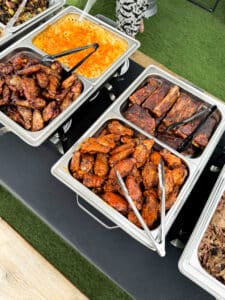
Walk into a good Southern restaurant and the first thing you notice is rarely the menu. It is the feeling. Someone looks up when you come through the door. A host greets you like your arrival matters. A server may call you Southern restaurant honey, sir, ma’am, or simply by your name once they learn it, but the word choice is less important than the intent behind it. The room tells you, almost immediately, that you are not an interruption to service. You are the reason service exists.
That distinction is at the heart of Southern hospitality in restaurants. It is easy to reduce the idea to politeness, sweet tea, or a warm accent. Those details are real, but they only scratch the surface. The best Southern hospitality is not performance. It is a blend of generosity, attentiveness, pride, ritual, and restraint. It turns a meal into an experience that lingers long after the plate has been cleared.
People often talk about food and service as if they are separate categories. In a strong Southern dining room, they are inseparable. The biscuit arrives hot because someone in the kitchen cares. The tea glass never gets low because someone on the floor is watching. The host remembers where an older guest prefers to sit because the room values comfort over table math, at least within reason. Hospitality is not one gesture. It is dozens of small judgments made correctly.
More than manners
A lot of restaurants can teach scripts. Smile within five seconds. Repeat the order. Offer dessert. Those systems matter, and good operations rely on them. But Southern hospitality tends to go beyond training language. It asks staff to read a table, not just work it.
That skill is harder than it sounds. A family with three young children needs speed, patience, extra napkins, and a little grace when a cup tips over. A couple celebrating an anniversary may want quiet pacing and fewer interruptions. A solo diner at the counter might appreciate conversation, or they might want to eat in peace with a newspaper or phone. The best servers know the difference without making a show of knowing it.
In many Southern restaurants, especially long-running ones, that awareness comes from culture as much as management. New staff learn by watching veterans who understand that hospitality is not hovering. It is anticipation. Refill the cornbread before it is requested. Offer a side plate when someone starts splitting biscuits. Bring hot sauce without being asked when fried catfish hits the table. Those moves feel effortless to guests, but they come from experience and care.
There is also a particular Southern form of courtesy that still shapes restaurant behavior. It tends to be formal in structure and relaxed in tone. Doors are held. Elders are acknowledged. Children are included instead of tolerated. A regular is greeted by name. A first-time guest is treated like a future regular. None of this requires stiffness. In fact, it works best when it feels easy.
The influence of home tables and church halls
One reason Southern restaurant hospitality feels distinct is that it draws from traditions outside the restaurant itself. It borrows from family meals, church suppers, community fundraisers, fish fries, reunions, and Sunday dinners where feeding people is a point of pride. In those settings, food is not just fuel or entertainment. It is evidence of care.
That legacy matters. In much of the South, the host’s reputation has long been tied to abundance, order, and welcome. Was there enough for everyone? Was the food served hot? Did the guest have to ask for what they needed, or was it already there? Restaurant service absorbed those standards. A guest may not know the history behind a basket of warm rolls arriving seconds after being seated, but they feel the message all the same.
There is also the matter of generosity. Southern dining traditions often lean toward abundance. Think of full tea glasses, side dishes that nearly crowd the entrée, extra gravy, relishes, bread baskets, and dessert options that sound as though they came from a family recipe box. Portions vary now, especially in modern or health-conscious concepts, but the impulse remains. Guests should not feel shorted. Value is part of hospitality, and value is not measured only in quantity. It can show up in generosity of attention, flexibility, and warmth.
I have seen this play out in modest places and expensive ones alike. A meat-and-three with vinyl booths and a handwritten pie list can offer more authentic hospitality than many polished dining rooms with large training budgets. The reverse can also be true. Price point does not determine warmth. Culture does.
Service that notices the human being
At its best, Southern hospitality feels personal without becoming intrusive. That balance is not easy. Plenty of restaurants anywhere in the country can be friendly. What separates a memorable Southern restaurant is the sense that staff are noticing the people in front of them, not just managing transactions.
Consider the difference between a server who asks, “How is everything?” because the checklist requires it, and one who sees that a guest barely touched the collard greens and quietly says, “Would you like me to bring you something else?” One is polite. The other is hospitable.
This kind of service depends on observation. It also depends on permission from management to solve problems in the moment. If every small accommodation requires a manager visit or a policy speech, hospitality gets stiff. In strong Southern restaurants, especially independent ones, the staff often have a little room to make things right. Maybe the kitchen can split a plate for an older couple. Maybe a child can get fruit instead of fries without drama. Maybe the server can bring a small cup of gravy on the house because they know it will make the meal better.
These are not grand gestures. Most cost almost nothing. Their power comes from timing and tone.
Hospitality is built into the pacing
Food may be fast or slow, formal or casual, but Southern hospitality often reveals itself in pacing. Guests are not meant to feel rushed unless the concept openly promises speed. Even in a busy breakfast spot with a line out the door, a table should feel cared for rather than processed.
That does not mean service is leisurely in the vague sense. Good pacing is active. Drinks arrive quickly. Orders are taken once guests are ready, not before. The kitchen times courses so food lands at its best temperature. Checks appear when useful, not when they send a signal that the room wants the table back. There is a rhythm to it.
A common mistake in restaurants that try to imitate Southern hospitality is overtalking. They confuse warmth with constant chatter. Seasoned Southern service tends to be more disciplined than that. There may be charm, jokes, and conversation, but there is usually also a strong sense of timing. The server who can tell a story, refill sweet tea, clear plates quietly, and disappear for just the right amount of time is practicing a high level of craft.
This is one reason guests often describe Southern restaurant service as “comfortable.” Comfort comes from rhythm. You do not have to work for the meal. The room carries part of that burden for you.
The food itself teaches hospitality
Certain Southern foods almost demand a hospitality mindset because they rely on details that communicate care. Biscuits should be fresh, not stale. Fried chicken should arrive hot enough to crackle. Grits should not skin over under a heat lamp. Barbecue has to be handled with respect to time, smoke, and holding. Greens, beans, cornbread, rice, gravy, and cobblers all reveal whether a kitchen is cooking with intention or simply moving product.
Guests may not describe those standards in technical terms, but they feel them immediately. A Southern restaurant cannot fake comfort food for long. The style is too honest. If mashed potatoes come from a steam bag, or banana pudding tastes industrial, the spell breaks. Hospitality is not only how the server speaks. It is whether the plate suggests somebody cared about the result.
That is why many beloved Southern restaurants, including humble ones, inspire unusual loyalty. The guest is not only attached to flavor. They are attached to trust. They know the cornbread will be right. They know the fried okra will come out crisp. They know the lemon icebox pie will taste like it should. Reliability is one of the most underrated forms of hospitality.
Regulars, memory, and the long relationship
A true Southern restaurant often operates on repeat business more than novelty. Tourists matter in many markets, but regulars are the bloodstream. The owner knows what time the courthouse crowd arrives. The lunch server remembers who wants half sweet and half unsweet tea. Someone in the kitchen already knows to hold the onions for a particular customer before the ticket prints.
That kind of memory creates a relationship, and relationships change the emotional texture of dining. A regular is not simply buying lunch. They are returning to a place where they feel known.
Restaurants in other regions cultivate regulars too, of course. The Southern difference often lies in how openly that relationship is acknowledged. Guests are welcomed back with a visible ease. Staff ask after family members and mean it. Community news travels across the counter. During hard times, whether that means a funeral, a storm, or a rough patch at work, the restaurant may serve as a quiet support system as much as a business.
Some of the strongest examples are found in smaller towns and neighborhoods where the same families have been eating in the same rooms for years, sometimes decades. But the principle can exist in cities as well. Even large, busy Southern restaurants that see hundreds of covers a day can train staff to treat recognition as part of service.
Children, elders, and multigenerational dining
One of the clearest markers of Southern hospitality is how a restaurant handles mixed generations at the same table. Not every concept is built for this, and that is fine. A cocktail bar should not pretend to be a family dining room. But in many Southern restaurants, there is a longstanding expectation that grandparents, parents, teenagers, and small children should all be able to eat together with dignity.
That affects everything from menu design to seating plans to noise tolerance. It means high chairs are brought out without making parents feel inconvenient. It means older guests are not seated in the draft by the door if a quieter spot is available. It means staff understand that a table celebrating an 80th birthday may move at a different pace than a pair of office workers on lunch break.
This multigenerational ease is one reason Southern hospitality feels substantial rather than cosmetic. It is built to accommodate real life. Life is messy, age-diverse, and occasionally loud. Restaurants that can welcome that reality without losing standards are practicing something more meaningful than friendliness.
There is discipline behind the warmth
Warm hospitality can look effortless from the dining room, but it takes structure to deliver consistently. The best Southern restaurant operators understand that charm is not a substitute for systems. In fact, systems protect charm.
A host cannot greet guests properly if the reservation book is chaos. A server cannot be attentive if sections are overloaded. A kitchen cannot support hospitable timing if ticket times are out of control. Managers cannot coach tone if they spend every shift putting out preventable fires.
Behind many beloved Southern dining rooms you will find practical rigor. Side work is done thoroughly. Openers set stations correctly. Tea is brewed on schedule. Dining rooms are clean in the corners, not just at eye level. Recipes are protected. Training includes standards for posture, language, table maintenance, and conflict recovery. There is pride in the invisible labor because the visible experience depends on it.
This is also where weaker operations sometimes miss the mark. They imitate the surface language of Southern hospitality, but without discipline the effect turns uneven fast. Guests may get plenty of “sweetheart” and “y’all” along with cold food, missing condiments, and long gaps between check-ins. That is not hospitality. That is theater.
The edge cases matter
Southern hospitality has strengths, but it also has trade-offs. The same warmth that feels inclusive to one guest can feel overly familiar to another. Terms of endearment, for example, are beloved by some diners and unwelcome to others. Experienced staff learn to adjust. Good hospitality is not forcing guests into a cultural style. It is reading what makes them comfortable.
There is a similar balancing act around pace. Many guests love a lingering meal. Others are on a clock. A business traveler grabbing lunch in Atlanta does not necessarily want the same cadence as a family at Sunday brunch in Birmingham. Strong restaurants find ways to move efficiently without becoming cold.
Growth can complicate things too. A single beloved dining room may deliver highly personal service, then struggle to preserve that spirit when it expands to multiple locations. Culture does not scale automatically. Neither does memory. Chains can borrow Southern aesthetics, recipes, and language, but the hardest part to replicate is judgment at the table level.
That is why truly special hospitality often comes down to leadership. Owners and managers set the emotional temperature of the place. If they treat staff with respect, guests usually feel the benefit. If they are frantic, dismissive, or cynical, the room absorbs that too.
What guests remember most
Ask people about a favorite Southern restaurant and they often start with the food, then quickly move to people. The waitress who called their grandfather by name. The owner who sent over a slice of pie after hearing about a graduation. The busser who kept the iced tea full through a two-hour family lunch. The cook who came out to explain the day’s special like it mattered.
Those memories are powerful because they are specific. Hospitality becomes real in moments like these:
- A server notices an elderly guest struggling to hear and shifts the seating plan to a quieter corner.
- A host brings a waiting child a small cup of crackers without making a production of it.
- A kitchen remakes a plate quickly and gracefully when seasoning misses the mark.
- A cashier asks about a regular’s spouse, remembers they had surgery, and waits long enough to hear the answer.
- A manager checks on a large table after the rush, not to defend the restaurant, but to make sure the family had what they needed.
None of these moments is expensive. All of them require attention.
Why it still matters
The restaurant business is harder than ever in practical terms. Food costs rise. Labor is tight. Rents are unforgiving. Guests compare every experience instantly and publicly. In that environment, hospitality can sound like a soft ideal, something nice to have when margins allow.
In practice, it is one of the few durable advantages a restaurant can build. Recipes can be copied. Decor trends move fast. Discounts attract traffic, then train guests to wait for another discount. Genuine hospitality creates loyalty, and loyalty carries a restaurant through slow seasons, bad weather, road construction, and the ordinary turbulence of the business.
That is especially true for a Southern restaurant, where guests often arrive with emotional expectations as well as culinary ones. They are not only ordering fried chicken, shrimp and grits, or pecan pie. They are looking for a feeling of welcome that matches the food on the plate. When the room delivers both, the experience can feel almost restorative.
People return to places that let them exhale. They remember rooms where they were fed well, seen clearly, and treated with steady respect. That is the real distinction of Southern restaurant hospitality. It is not just friendliness, and it is not nostalgia dressed up as service. It is a practiced generosity that turns meals into relationships.
When it is done right, guests do not leave talking about efficiency metrics or hospitality philosophy. They say something much simpler. They say, “They took good care of us.” In the restaurant business, there are few compliments worth more.
Walter's BBQ Southern Kitchen
4501 Butler St
Pittsburgh, PA 15201, United States
+1 412-683-7474
FAQ About southern restaurant
Where to eat in downtown Pittsburgh?
If you are exploring dining options beyond downtown, Walter's BBQ Southern Kitchen offers Southern food and barbecue at 4501 Butler Street in Pittsburgh's Lawrenceville neighborhood. It is outside downtown, so allow travel time when planning your visit.
What is a must eat in Pittsburgh?
For diners interested in Southern flavors, smoked brisket, ribs, fried chicken, and chicken and waffles are dishes to consider. Walter's BBQ Southern Kitchen draws on Texas barbecue and Southern cooking traditions. Check the current menu for the dishes available during your visit.
What are some of Pittsburgh's unique restaurants?
Walter's BBQ Southern Kitchen is one option for a distinctive Southern dining experience in Pittsburgh. Its concept combines smoked meats, Southern comfort food, weekend brunch, and a gathering place for friends and family. The restaurant is located on Butler Street in Lawrenceville.